
Retail‑Ready Pastries That Actually Sell
What Grocery Buyers Should Look For
Introduction
A flaky croissant or nut-filled pastry can be perfectly baked, but if the packaging fails, it may never make it to a customer’s plate. According to Inline Plastics, packaging issues like poor seals, leakage, or improper fit are among the leading causes of spoilage and retail loss in bakery products.
As the frozen pastry category continues to grow—driven by the demand for convenient, high-quality options—grocery buyers are under increasing pressure to stock products that not only taste great but also hold up in the freezer, look appealing on shelves, and meet today’s sustainability expectations.
In this guide, we’ll break down what retail-ready truly means in the context of frozen pastries, how to evaluate packaging technologies, and what Ziraland and other premium brands are doing to meet evolving industry standards.

Understanding the Shelf‑Life Challenges of Frozen Pastries
Frozen pastries are delicate products. Their structure—often made of laminated doughs or nut-based fillings—is vulnerable to three key factors:
- Moisture loss, which leads to drying out and crumbly textures
- Humidity gain, which results in sogginess or ice crystal formation
- Oxygen exposure, which accelerates staleness and promotes microbial growth
To maintain product integrity, packaging must provide an airtight, moisture- and oxygen-resistant barrier that works even under varying freezer conditions.
Packaging Technologies That Extend Freshness
Today’s grocery buyers should understand the science behind pastry preservation. Modern innovations include:
- Modified-Atmosphere Packaging (MAP) - Replaces oxygen with gases like nitrogen or CO₂ to slow oxidation and microbial activity. It’s a go-to method for extending shelf life without preservatives.
- Active Packaging - These systems integrate oxygen absorbers or moisture regulators into the packaging itself, adding a second layer of defense.
- Multi-layer film barriers - Not all plastic is created equal. Look for food-grade films that specifically address moisture and oxygen permeability.
For pastries like croissants, kyata, or baklava, where maintaining crispness is essential, MAP and active packaging technologies are key.
At Ziraland, we use freezer-grade multilayer packaging that locks in moisture, prevents frostbite, and extends shelf stability—ensuring the customer gets a fresh-baked experience at home.

Visual Appeal Matters on the Shelf
Let’s be honest—shoppers eat with their eyes first. That’s why retail-ready pastries must look as good as they taste.
Features that boost visual appeal:
- Clear windows or transparent clamshells that show off the golden crust, layers, or fillings
- Tightly sealed lids that prevent leaks and freezer burn
- Stackability for neat freezer displays
- Minimal branding with rich photography, allowing the pastry itself to shine
Poor packaging design—flimsy plastics, labels that peel, or frosting smudged on the film—can destroy first impressions and lose a sale.
Ziraland invests in custom retail packaging that is both functional and elegant, using pastel-toned, matte-finish designs with visibility and premium feel in mind.

Serving Sizes & Consumer Convenience
Frozen pastry buyers are diverse—some want a single treat with their morning coffee, while others are buying for families or events. Packaging should reflect that.
Here’s what works:
- Single-serve packs for impulse buyers and grab-and-go shoppers
- Multi-packs for value shoppers and families
- Mini pastries to encourage sampling or portion control
- Clear preparation instructions (e.g., “Thaw for 20 mins, bake at 375°F for 5 mins”)
- Resealable closures, especially for multi-packs
Ziraland’s product line includes a mix of formats—from full-size baklava trays to individually wrapped Burakas, each clearly labeled with usage instructions in both English and French.

Sustainability Isn’t Optional Anymore
More than 60% of North American consumers say that sustainability influences their food purchases (McKinsey, 2023). That means:
- Recyclable or compostable packaging isn’t just nice to have—it’s expected
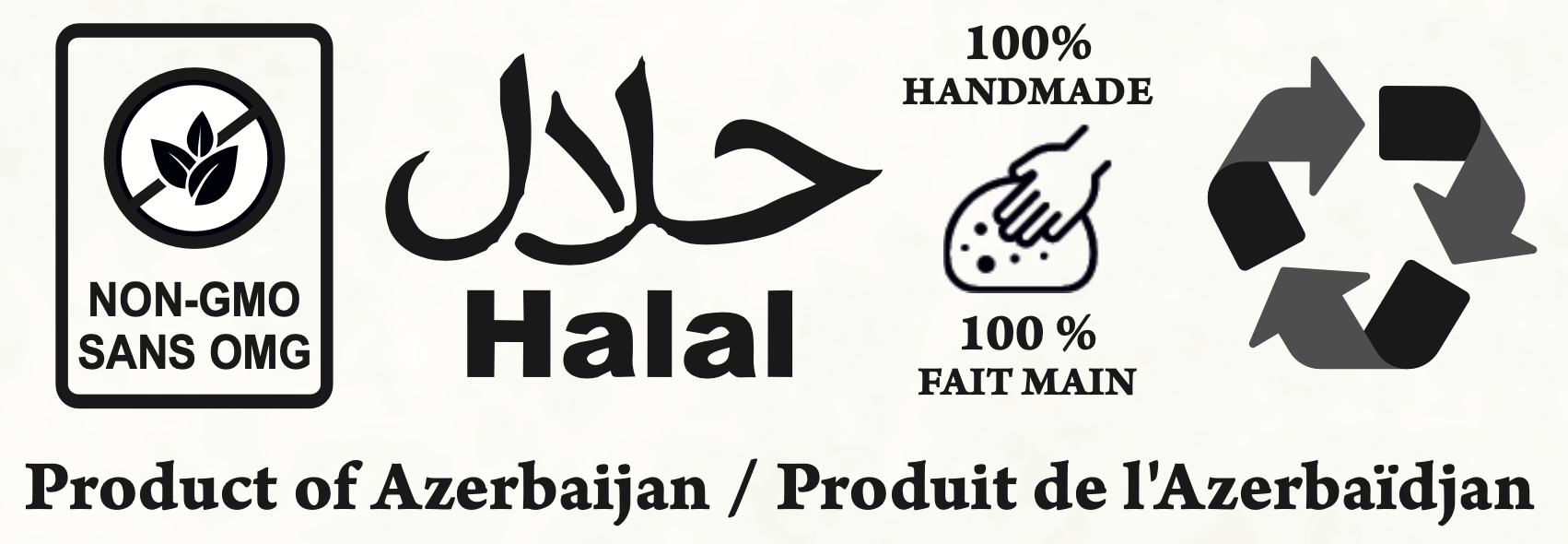
- Clear recycling labels and low-plastic packaging make it easier for consumers to act
- FSC-certified cardboard, plant-based trays, and biodegradable films are growing in adoption
While not all eco-friendly options are freezer-safe, many brands—including Ziraland—are actively researching and testing compostable freezer films and recyclable tray formats that can maintain freshness while reducing landfill impact.
Collaboration with Your Supplier Is Key
The best grocery buyers work hand-in-hand with their suppliers—not just to receive a product, but to optimize how that product is packaged and sold.
Here’s what you should ask your frozen pastry supplier:
- Can we test your packaging under freezer and transport conditions?
- Are your labels compliant with Canadian bilingual packaging laws?
- Can you provide shelf life data, MAP specifications, and allergen statements?
- Are your portions and case sizes compatible with our shelf planograms?
Ziraland partners closely with its retail clients to ensure packaging meets regulatory and operational needs—from label placement to POS marketing support.

From Freezer to Sale, Packaging Makes the Difference
The frozen pastry space is more competitive than ever. To succeed, grocery buyers need to go beyond product quality and focus on the packaging that supports it.
To recap, here’s what to look for:
- Packaging that fights moisture and oxygen exposure
- MAP or active barrier technology
- Transparent, attractive packaging with a retail-ready design
- Portion sizes that match your customers’ needs
- Clear instructions and bilingual labeling
- Ongoing collaboration with your supplier for custom solutions
At Ziraland, our goal is to offer clean-label, premium pastries that are as convenient for retailers as they are irresistible to customers. From packaging to plate, everything we do is designed to help your freezer aisle succeed.


